
A simple, neuro-inclusive approach to eLearning

Teams don’t learn the same way and that’s a gift. When training adapts to unique cognitive approaches (including ADHD, autism, dyslexia, dyspraxia, and beyond), it results in sharper course designs, fewer errors, and more effective knowledge retention for everyone.
Why it matters

Neuro-inclusive design moderates friction for learners and gives managers clearer signals about support needs. Clear communication, flexible formats, and expected flows raise completion and confidence for everyone.
- Clarity and choice take out roadblocks that impede progress.
- Reduced cognitive load develops recall and on-the-job transfer.
- Multiple formats (video plus transcript, flexible speed, legible text) widen access
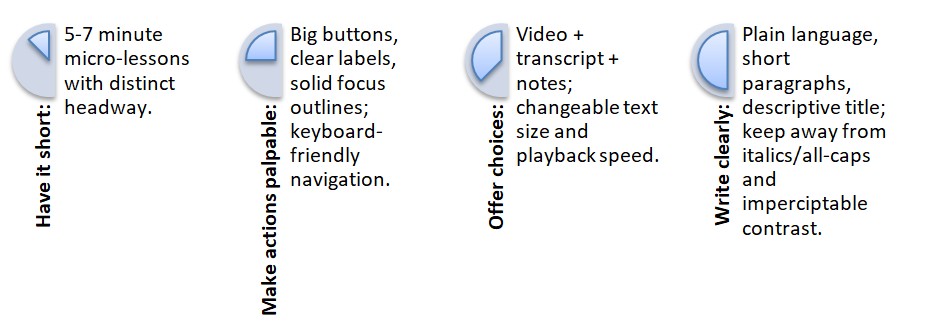
Four design moves
Start with small size, high-impact changes that make steps easier to act on. Keep what works, discard what does not.
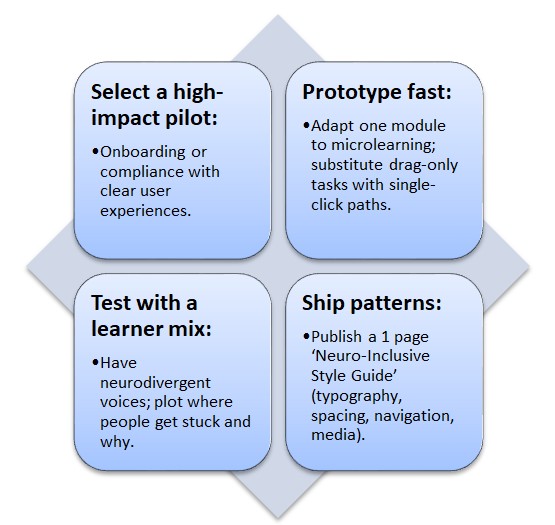
Rollout, uncomplicated and built to last
Consider this as a product, not a promotion. Test one course, capture friction, and convert successes into reusable patterns your team can craft repeatedly.
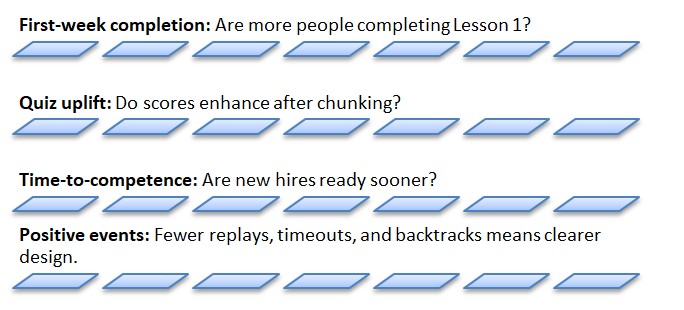
What to measure
Look at a few signals that show clarity and belief are on the rise. Utilize these to direct iterations, not to control learners.
Common pitfalls to avoid
Have it simple, transparent, and repeatable; complexity is the foe of adoption.
- Over-engineering: neuro-inclusive does not complex; support fewer clicks and clearer text.
- Successful pilot: organize wins in your style guide and component library.
- Opaque data practices: state what basic data you use (completions, quiz scores) and why.
- Drag-only interactions: always offer keyboard/single-click options.
Bottom line

Designing for every brain is simply good design. Begin small, pilot with real users, secure reusable patterns, and scale with confidence and your learners and your business will sense the difference.


